
The New NCLEX-RN Format (NGN) Explained: What You Need to Know for 2025
- RajeevRF
- July 11, 2025
- 5 min read
💡 Introduction: Big Changes Are Here
As of April 2023, the NCLEX-RN exam isn’t just about what you know — it’s about how you think. The Next Generation NCLEX (NGN) has officially launched, and it’s the biggest change to the exam in decades.
Whether you’re a recent nursing graduate or an internationally educated nurse, understanding this new format is crucial to passing in 2025 and beyond.
Let’s break it down.
🧠 What Is the Next Generation NCLEX (NGN)?
The NGN format was introduced to better assess clinical judgment — the real-world decision-making nurses perform every day.
It’s built around the NCSBN Clinical Judgment Measurement Model (CJMM), which focuses on six cognitive steps nurses follow when making safe decisions in clinical settings.
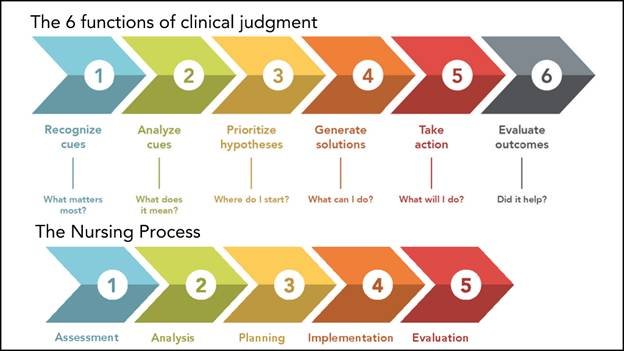
🔄 Key Differences Between the Old vs. New NCLEX
| Feature | Pre-NGN NCLEX | NGN (2023+) |
| Question Style | Mostly multiple choice | Case studies, drag & drop, drop-downs, bowtie, matrix |
| Clinical Reasoning Tested? | Indirectly | Directly assessed |
| Partial Credit Scoring | No | Yes |
| Scenario-Based Questions | Few | Central to NGN format |
| Number of NGN Items | N/A | 12–18 per exam |
🔍 What Types of Questions Will You See?
✅ Case Studies
You’ll be given a patient scenario followed by 6 interrelated questions testing assessment, planning, and evaluation.
✅ New Item Types
- Drop-Down Cloze: Fill-in-the-blanks with drop-down options
- Matrix/Grid: Select one or more correct options across multiple statements
- Bowtie Format: Link assessment data with condition and interventions
- Highlight Text: Identify key phrases in a medical note
📊 How Is NGN Scored?
The NGN uses partial credit scoring, which is a game-changer.
Unlike the old NCLEX, where one wrong click might cost you the whole point, the NGN can give you partial credit for partially correct answers.
🔹 This rewards clinical reasoning — not perfection.
🧭 How Should You Prepare for NGN?
1. Practice With Real NGN-Style Items
You can’t just rely on multiple choice anymore. Look for:
- Full case studies
- Bowtie and matrix-style questions
- Progressive item sets that reflect real shifts
2. Understand Clinical Priorities
Learn how to identify:
- Cues that matter
- Nursing priorities (safety, airway, ABCs)
- Intervention planning under pressure
3. Simulate the Real Exam
It’s not just what you study — it’s how you train your brain to respond under exam pressure.
🚀 How NCLEXReviewPro Helps You Prepare for NGN
At NCLEXReviewPro, our platform is fully aligned with the NGN format:
✔️ NGN-style case studies with guided breakdowns
✔️ Practice items for matrix, dropdown, bowtie, and cloze types
✔️ Step-by-step clinical reasoning explanations
✔️ Mock exams to simulate the new scoring model
🎧 Plus: Audio overviews to reinforce NGN decision-making logic on the go.
🩺 NGN Case Study Example
Client Information
Name: Brenda Moore
Age: 72
Setting: Medical-Surgical Unit
Chief Complaint: Increased shortness of breath, fatigue, and swelling in lower legs over the past week.
Medical History
- Hypertension
- Type 2 Diabetes
- Heart failure (HFrEF)
- Chronic kidney disease (Stage 3)
Current Vitals
| Parameter | Value |
| Temperature | 98.9°F (37.2°C) |
| Blood Pressure | 152/92 mmHg |
| Heart Rate | 110 bpm |
| Respiratory Rate | 24/min |
| SpO₂ (on room air) | 88% |
| Weight | 81 kg (↑3 kg from last week) |
🧠 Clinical Judgment Questions
📍 Question 1: Recognize Cues (Highlight Text)
Instructions: Click to highlight the cues that are most concerning based on Brenda’s presentation.
✅ Correct Cues:
- Increased shortness of breath
- SpO₂ 88% on room air
- Weight ↑3 kg from last week
- Bilateral lower extremity edema
📍 Question 2: Analyze Cues (Matrix)
Instructions: Indicate whether the following findings support worsening heart failure.
| Finding | Supports HF Worsening | Unrelated | Not Enough Info |
| Weight gain of 3 kg | ✅ | ||
| Glucose 170 mg/dL | ✅ | ||
| Crackles in lung bases | ✅ | ||
| Creatinine 1.4 mg/dL | ✅ |
📍 Question 3: Prioritize Hypotheses (Drop-down Cloze)
Brenda is likely experiencing a(n) [dropdown]
A. Exacerbation of heart failure
B. Onset of pneumonia
C. Hyperglycemia episode
D. Hypertensive emergency
✅ Correct Answer: A. Exacerbation of heart failure
📍 Question 4: Generate Solutions (Multiple Response)
Which actions should the nurse take now? (Select all that apply.)
- Elevate head of bed
- ✅ Notify the health care provider
- ✅ Apply oxygen via nasal cannula
- ❌ Give a high-protein snack
- ❌ Administer an antihypertensive PRN
📍 Question 5: Take Action (Bowtie Format)
Instructions: Drag and drop one correct answer each into the following bowtie components:
- Condition: Exacerbation of Heart Failure
- Assessment Cues: SpO₂ 88%, crackles, weight gain
- Interventions: Administer diuretic as ordered, apply oxygen, monitor I&Os

📍 Question 6: Evaluate Outcomes (Matrix)
Instructions: For each follow-up action, indicate if it’s appropriate:
| Action | Appropriate | Inappropriate |
| Reassess SpO₂ after oxygen application | ✅ | |
| Encourage fluid intake | ✅ | |
| Monitor urine output post-diuretic | ✅ | |
| Discontinue telemetry | ✅ |
🔚 Final Thoughts
The NGN isn’t harder — it’s different. It rewards clinical judgment, not memorization. With the right tools and the right mindset, you can master this format and walk into your exam with confidence.
🎯 Ready to Try NGN Practice?
NCLEXReviewPro is built for the NGN era.
👉 Start your subscription now and unlock smarter prep that mirrors the new exam.

You care about becoming a nurse. We do too.
Join for free & start feeling good about nursing school & the NCLEX.
Join for Free